Eupatoriums in the Wildlife Garden

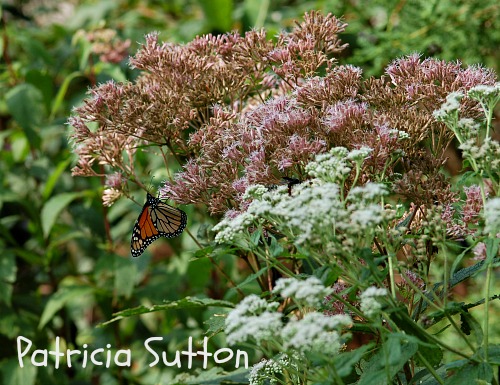
Monarch w-sig
Monarch nectaring on Joe-pye-weed with Boneset in the foreground – TWO great Eupatoriums

If you’re looking for some fun plants to add to your wildlife garden, seriously consider the Eupatoriums:

1.  They are stunning 2.  A selection of them can cover a good part of the growing season 3.  They are pollinator magnets 4.  Monarchs LOVE them and Monarchs need all the help they can get
 

Enjoy my latest post on Native Plants and Wildlife Gardens Eupatoriums – Butterfly Magnets to learn  more!

Black Cherry vs Bradford Pear

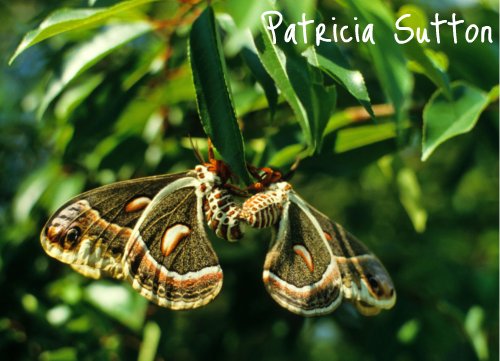
Cecropia Moths-w-sig
Cecropia Moths are one of 456 butterflies and moths that lay their eggs on Black Cherry

Black Cherry, Prunus serotina, is one of THE most important trees for wildlife.   I’ve watched 53 different species of birds feed on the fruits, including Black-throated Blue Warblers.

Learn why Black Cherry is a far better tree to plant than Bradford Pear by reading my latest column on the Native Plants and Wildlife Gardens website (where over 20 of us contribute educational and informative columns to guide and encourage wildlife gardeners, so they don’t make the same mistakes we did).

Red Cedar vs Leyland Cypress

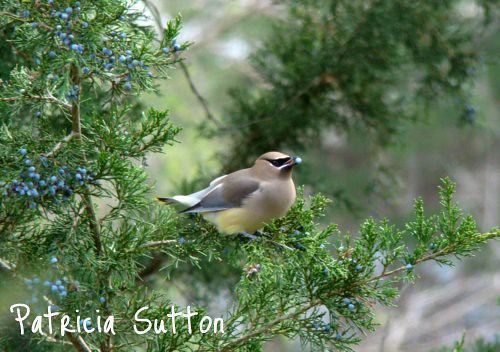
001 - CedarWaxwing eating RedCedar berries-11-18-08(03)In southern New Jersey my favorite evergreen is Red Cedar, Juniperus virginiana, for about a zillion reasons.   I’ve watched 32 different species of birds feed on the fruits, including big flocks of Cedar Waxwings (so named because they favor Red Cedar fruits).

Learn why Red Cedar is a far better evergreen to plant than Leyland Cypress by reading my latest column on the Native Plants and Wildlife Gardens website (where over 30 of us contribute educational and informative columns to guide and encourage wildlife gardeners, so they don’t make the same mistakes we did).